
What is Lens?
A camera lens (also known as photographic lens or photographic objective) is an optical lens or assembly of lenses used in conjunction with a camera body and mechanism to make images of objects either on photographic film or on other media capable of storing an image chemically or electronically.
There are few types of lenses that we use on DSLR :

Standard Lenses – this is a term that seems to be disappearing a little from terminology. Traditionally on film cameras it was used to describe lenses in the 50mm range because this is what usually came with the camera.
Kit Lenses – These days the lens that is offered as a package with the DSLR isgenerally called the ‘kit lens’. It is generally an entry level quality zoom lens. They are usually a fairly general purpose lens designed for everyday shooting. My personal preference is always to buy the DSLR as a body only and to upgrade the lens from the kit lens as they are generally at a lower to medium end of the spectrum of lenses.
Prime Lenses – A prime lens is a lens that has one focal length only. They are becoming less popular in an age where photographers like to have the convenience of a range of focal lengths at their finger tips (see zoom lenses) but they are definitely worth considering. Zoom lenses are increasing in the quality that they offer but prime lenses are known (especially at the top end) for their image quality and speed (faster aperture).
While many like the convenience of zoom lenses I actually enjoy the challenge of prime lenses and find that they make me think about my photography a little more than when I have a zoom attached (I get a little lazy).
 Telephoto Zoom Lenses – Zoom lenses are the most popular DSLR lenses at present and come in a range of configurations and levels of quality. Obviously the benefit of zooms are that you do not need to physically get closer to your subject to get a tighter framing of the image. These lenses can have quite narrow ranges or quite long ones.
Keep in mind that if you buy one with a long focal length (for examples you can get them in lengths ranging up to 300mm or longer) that the longer your focal length the more impact that camera shake has on your images. More and more lenses these days are being released with Image Stabilisation (IS) to combat camera shake.
Macro Lenses – these lenses are specifically designed for shooting objects up close. Many lenses and cameras come with a ‘macro’ setting but true macro lenses will produce images that are life size and that enable you to get in incredibly close from the subject you’re shooting.
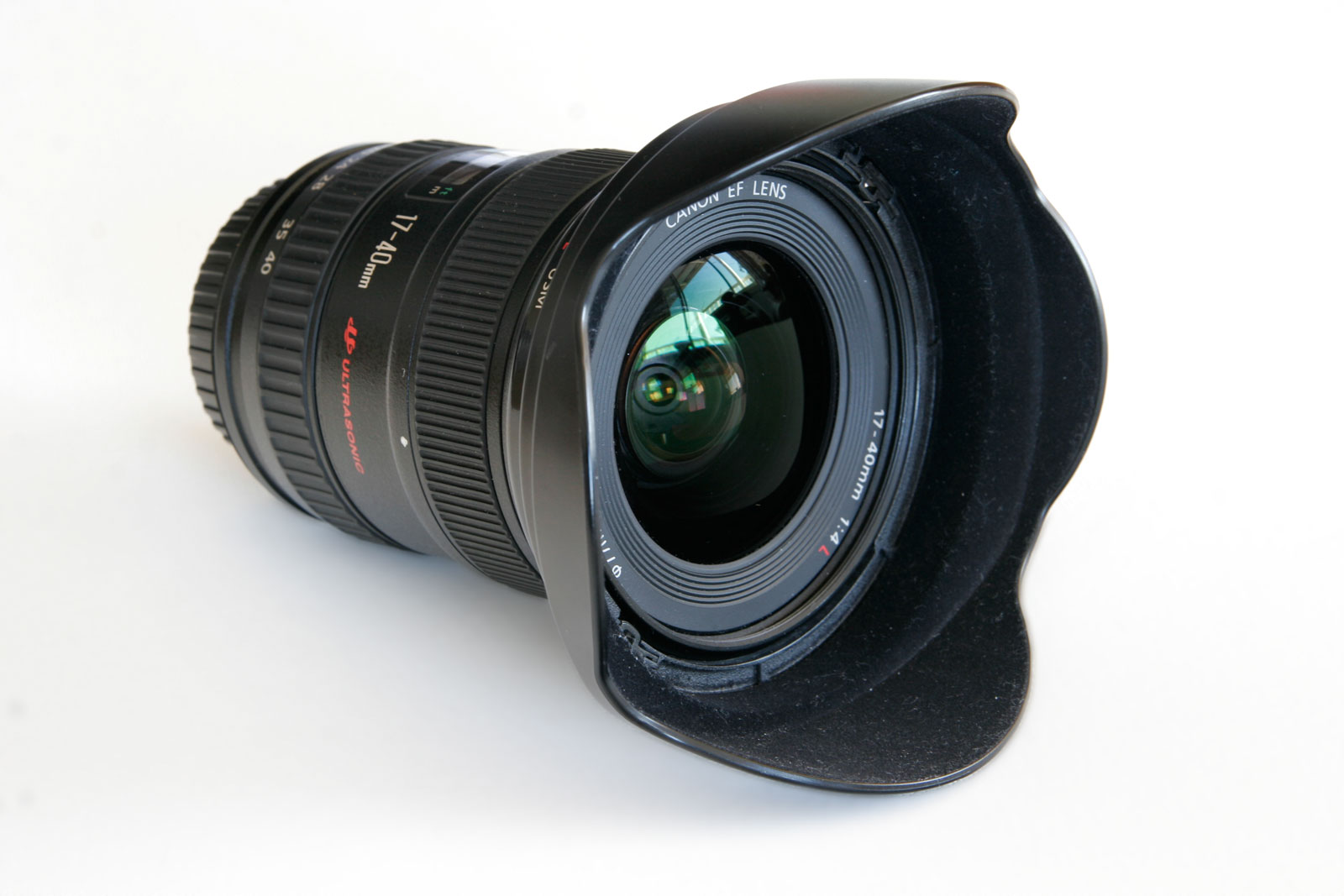 Wide Angle Lenses – As their name suggests, these lenses enable their users to take shots with a very wide perspective. They are useful for landscapes and for getting in nice and close to subjects still fitting a lot of them in.
Wide angle lenses come both as prime lenses but also are being found at the lower end of telephoto zoom lenses increasingly. Be aware that very wide lenses will sometimes distort your image a little (or a lot), especially at the edges of your photos where they can be quite curved. This can be used to great effect but can also be quite frustrating at times.
At the extreme end of the ‘wide angle’ range are ‘fisheye lenses’ which purposely distort your image in a curved way to get more into the shot. Again this is a style of photography that many love but is an art to get right.

Tidak ada komentar:
Posting Komentar